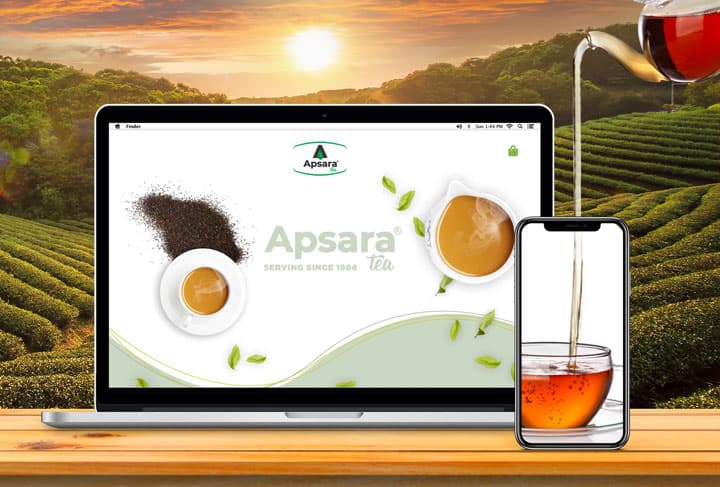

Tea has become a drink of one’s daily life since the 3rd century. According to the Britannica encyclopedia -caffeine in this beverage is what gives it its stimulating character but contributes only a little to color, flavor, and aroma. Only 4 percent of the solids in the fresh leaf are caffeine, and one teacup of the beverage contains 60 to 90 milligrams of caffeine. Chemicals like tannins, or polyphenols, are colorless and bitter-tasting and contribute to tea’s astringency. This is treated with an enzyme called polyphenol oxidase, which gives the redness and flavor it has.
There are mainly two kinds of teas available in the market- CTC (cut, tear, and curl). CTC teas are mainly processed through machines. The other variety is the LONG LEAF TEA.
Today, the market is flooded with numerous types and varieties of teas We have compiled a quick guide for you to identify and sip on the best tea in the available varieties.
1. Judge from your senses:
Look – High-quality teal leaves look more like leaves plucked and dried. Grounded, powdered tea leaves mixed with other ingredients should be avoided.
Touch – Good quality tea leaves are smooth, whole, and sturdy. High-quality tea is compact and heavy, and low-quality tea is loose and light.
Smell – Teas always have a strong aroma. Good teas unfurl slowly and release aromas that are synonymous with therapeutic healing. If you are struggling to catch the aroma- it’s a red flag.
Taste – Best teas will always have a strong and recognizable taste. Flavors that are barely recognizable, or have string chemicals sent are a strict no-no!
2. More Flavor than bitterness
Good tea is easy to brew, and the flavors remain intact even if someone drinks their tea cold, or carries them in a flask for travels. Essentially, tea is consumed for its rich flavor, if that is hard to get, then the tea is not up to the mark.
3. Color of tea
A tea’s secret is in its color. For traditional Indian tea, go for brighter and rich color. Full of color black teas mean a richer taste. On the other hand for green tea, the secret is that the color should be pale yellow and not a strong green.
4. Texture
Pay attention to the texture of tea, not how it feels on your hand but how brewed tea feels in your mouth. If you have bought a brand or tea for the first time, rather than directly making milk tea, try to test it by brewing in-plane water. Good tea would have a bright, bold flavor when you take the first sip and will leave a delicious, lingering aftertaste in your mouth. Feeling anything else is a mark of poor quality tea.
5. After feeling
After sipping high-quality tea, you should feel relaxed, clear, and calm. This was the whole reason why tea became so popular – that after the struggles of the day one could relax with a cup of tea. This is also one of the reasons why tea was preferred by poets, writers, thinkers, and even students preparing for tough exams.
With thousands of history behind TEA, it has seen many varieties and methods to make it. It is said that it’s an art to make tea. But the art is a waste if it is not accompanied by good and high-quality tea leaves. Tea has seen many flavors and aromas throughout the world. When was the tea harvested? which area? and tea leaf size is also an important determinant of good tea. So, the next time you go to buy your stock of tea, you have a lot to think about.