
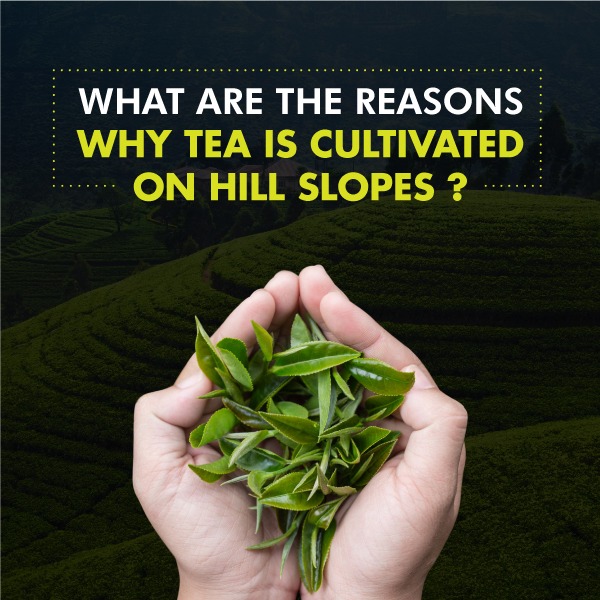
The most favourite beverage of more than half the people on the globe is grown in the cooler areas of hills. Have you ever wondered why? Believe it or not, every other reasoning on this planet has its answers in the realm of geography. The location of a place determines the weather conditions affecting the flora and fauna of that place. Take any plant or animal group, you will find this simple correlation.
Every plant has a specific set of natural and artificial factors for growth. Tea is a plantation crop and grows in the cooler regions with acidic soils and a temperature of 11 degrees or below. In the case of tea yield, environmental factors are crucial. They can aid or retard the growth of the total produce.
The minimum annual rainfall required is 45-50 inches which need a proper distribution. There are a host of other technical aspects as well. And so are the reasons for cultivating tea on hills slopes of any region.
- Water requirement: Every plant has a unique water requirement. This is a part of the plant’s general growth and well-being. This can be achieved by either natural means or by irrigation. Basic rounds of irrigation are helpful when for areas where the rainfall is quite uneven. For tea cultivation, a rainfall of 250-300 cm is considered optimum. In areas where the water availability is non-uniform, the yield can be impacted. Water deficit areas limit the yield of tea production to 14-20%. The tea producers need to take into consideration the transpiration rates, kind of soil, and average weather conditions too.
Hill slopes solve all the major issues related to water. They can easily trap water and also prevent soil erosion. The weather near hill slopes is also cool enough to boost tea production. They prevent water-logging conditions.
- Prevents from frost: The slope of the hilly areas prevents the tea cultivation from extreme weather conditions of loo and frost. The angle of the slope allows easy flow of air and avoid the accumulation of frost.
- Soil: Besides water, temperature and normal weather, the soil is another crucial factor to maintain the growth of any plant. In hilly regions, loamy soil is used to hold water enough to the desired water content. Their temperature and availability promote the growth of tea plants. This kind of soil is easily available on hilly slopes.
Majorly, these three reasons contributing to the growth of tea production in the hilly areas. The tea leaves’ size, shape, length etc are quite significant in terms of providing the desired taste, flavour and aroma to tea. The cultivators understand the fine balance between these factors and grow the leaves accordingly. Speaking to various tea cultivators, they find hilly slopes the best region to grow tea to enhance the specific flavour of that tea.
Find your favourite tea from a range of rich teas at Apsara Tea.
SHOP NOW https://apsarachai.in/shop/